Why eastern North Carolina homeowners install standby generators
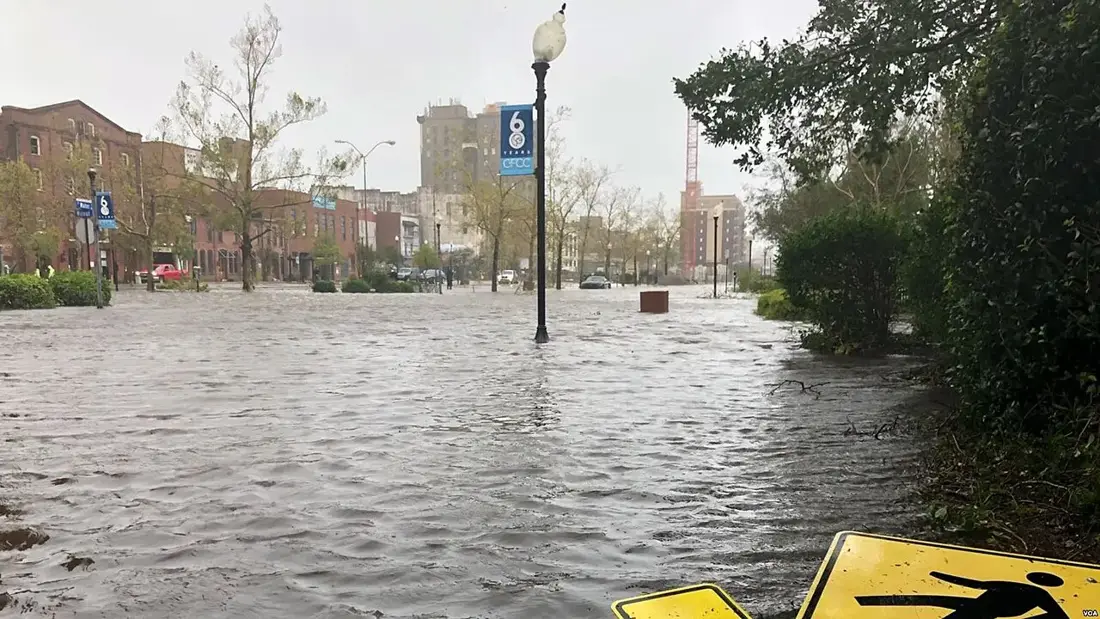
If you have lived east of I-95 for any length of time, you know the pattern. A hurricane or a tropical storm comes up the coast, the wind takes down lines across half the county, and the rivers keep rising for days after the rain stops. Fran, Floyd, Matthew and Florence each left hundreds of thousands of North Carolina customers in the dark. Florence alone cut power to more than 800,000. For a lot of families, the outage lasted longer than the storm.
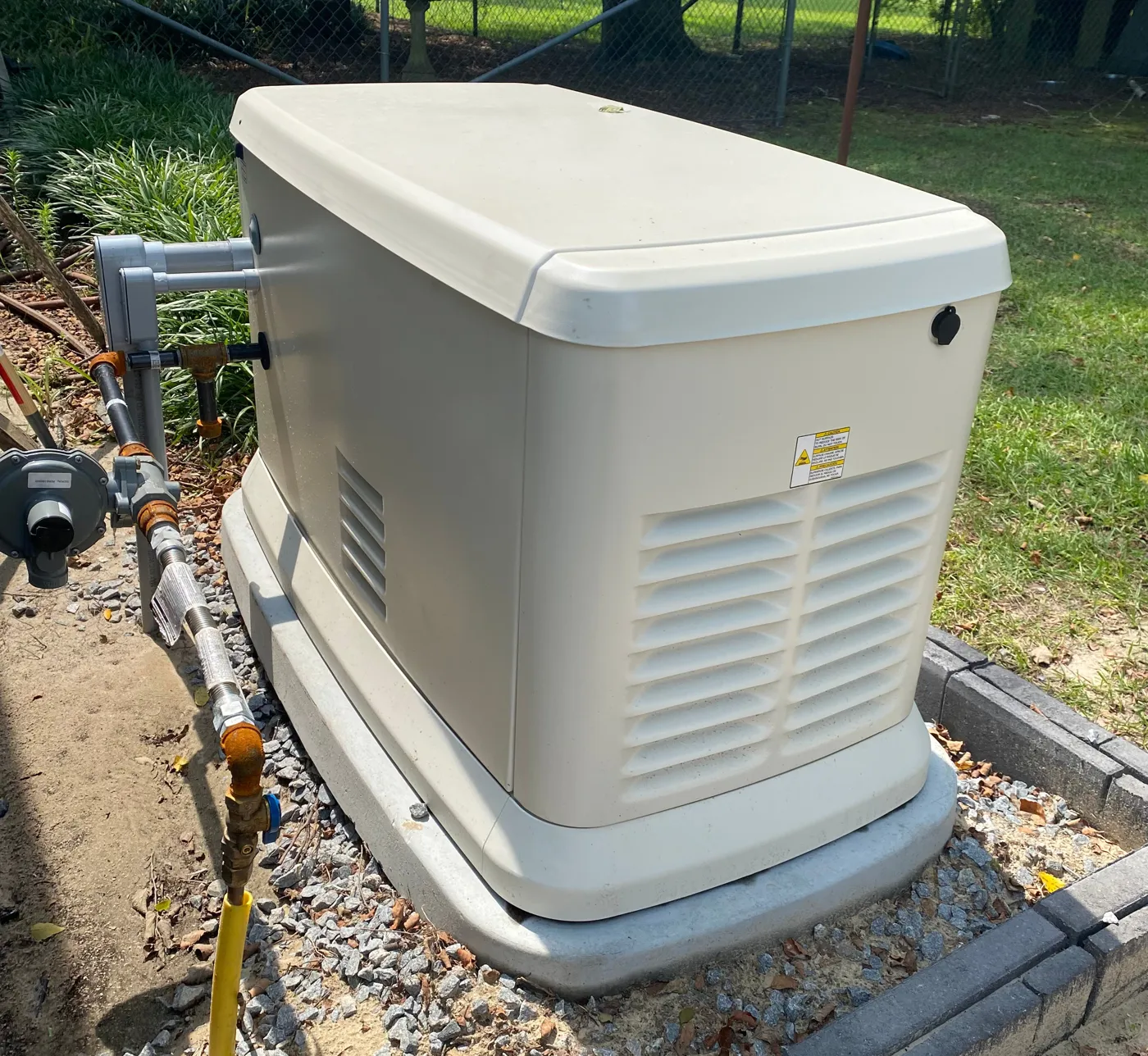
A portable generator and a tangle of extension cords gets some people through. A standby generator is a different thing. It is installed permanently beside your house, runs on natural gas or propane, and is wired into your electrical panel through an automatic transfer switch. When the power drops, the switch senses it, the generator starts, and your house is back on in seconds. You don't have to go outside in the wind to refuel it, and you don't have to be home for it to work.
Eastern NC Generators connects homeowners and businesses from Rocky Mount to Havelock with a licensed North Carolina electrical contractor who is an authorized Generac sales and service dealer. That contractor handles the whole job: the site visit, sizing, permits, gas or propane, installation, inspection and the service afterward.

What a whole house generator keeps running
You choose what runs during an outage. The two common approaches are:
- Whole-house coverage. The generator is sized to carry everything at once: central air or heat pump, well pump, water heater, refrigerator, freezers, kitchen, lights and outlets. Life in the house goes on more or less as normal.
- Essential circuits. A smaller generator powers a chosen list, usually the refrigerator, a freezer, the well pump, some lights, the furnace or one air conditioner, and the outlets you need for medical equipment, phones and internet.
Many homes in eastern NC have things that make a generator more than a comfort item: a well pump (no power means no water), a sump pump in a low-lying yard, a chest freezer full of venison or fish, oxygen concentrators or other medical equipment, or a home office that can't go offline for a week. The installer will go through these with you at the site visit.
Read more on our whole house and standby generator page.
How installation works
Site visit
An installer walks the property, looks at your electrical panel and gas or propane setup, and picks a spot for the unit that meets clearance and flood rules.
Sizing
You decide what should run during an outage, from a few essential circuits to the whole house. That choice sets the generator size and the transfer switch.
Permit
The contractor pulls the electrical permit, and a gas or plumbing permit where needed, from the city or county that covers your address.
Gas line or propane tank
Natural gas homes may need a meter upgrade from the gas company. Propane homes get a tank sized for multi-day run time and a line to the unit.
Installation
The pad is set, the generator is placed and the transfer switch is wired into your panel. Most residential installs take one to two days on site.
Inspection and startup
The local inspector signs off, the unit is started and tested under load, and you are shown how it exercises itself and how to check it.
Natural gas or propane?
Standby generators run on natural gas or propane (LP). Which one you use depends mostly on what is available at your address.
Natural gas is piped to many homes inside towns like Kinston, Goldsboro, Rocky Mount and Greenville, and it never runs out during an outage. Out in the county, many homes are beyond the gas lines, and propane is the norm. A properly sized propane tank can run a generator for days, and the tank can be topped off before hurricane season.
Our propane and natural gas generator page explains tank sizes, gas meter upgrades and run times.
Your local power company matters
Eastern NC is a patchwork of electric providers. Kinston, Rocky Mount, Washington, Wilson, Greenville, New Bern and several other towns run their own municipal electric utilities. Rural areas are served by electric co-ops such as Jones-Onslow EMC and Carteret-Craven Electric Cooperative, and much of the rest of the region is on Duke Energy Progress. Your power bill tells you which one you have.
The generator itself works the same way whichever company you're on. The transfer switch isolates your house from the utility lines, so the generator never sends power back out onto the grid where line crews are working. Each town page explains the local power company, permit office and fuel situation for that area.
Generac installation and service
The installer is an authorized Generac sales and service dealer, so they can sell, install, register and service Generac home standby generators, including warranty work. Generac is the most common brand of home standby generator in the country, which also means parts and trained technicians are easy to find. See the Generac installation page for the product lines and what authorized installation means for your warranty.
Already have a generator? The same contractor handles generator repair and maintenance, from the annual service visit to a unit that won't start. If you have a portable generator, a transfer switch or interlock kit is the safe, code-approved way to connect it to your house.
For farms, churches, restaurants, medical offices and other businesses, see commercial generators.
Where we install generators
We cover eastern North Carolina, including Kinston, Goldsboro, Rocky Mount, Washington and Havelock, plus the surrounding counties: Lenoir, Wayne, Nash, Edgecombe, Beaufort, Craven, Jones and their neighbors. See the full service area.
When to call
The best time to install a generator is well before you need it. A residential install takes a day or two on site, but the full process takes longer: the site visit, permits, gas company work and the generator's arrival. Once a named storm is in the forecast, every installer in the region is booked and generator stock gets tight. Homeowners who call in the winter or spring usually have their system running before June, when hurricane season begins.
Common questions
How much does a whole house generator cost?
A typical whole-house system in eastern NC runs about $10,000 to $15,000 installed. The biggest factor is how far the generator sits from your electrical panel; generator size, fuel setup and your panel matter too. The installer gives you a written quote after a free site visit. See what a whole house generator costs.
How fast does a standby generator turn on?
Most home standby systems sense the outage, start the engine and switch your house over within several seconds to under a minute. You don't have to do anything.
Can a generator be installed in a flood-prone yard?
Yes, but placement matters. The unit sits on a pad and may need to be raised to meet local floodplain rules. The installer checks your property's flood zone at the site visit and plans the height and location around it.
Do I need a permit?
Yes. A standby generator needs an electrical permit and an inspection, and gas work may need its own permit. The installer pulls the permits from your city or county and schedules the inspections.
How long will a generator run during an outage?
On natural gas, as long as the gas supply holds, with oil checks during very long outages. On propane, it depends on tank size and how much of the house you are powering. A large propane tank can typically carry a home for several days.
Who actually installs the generator?
CDS Electric & Industrial Services, a licensed North Carolina electrical contractor and authorized Generac sales and service dealer. Eastern NC Generators connects you with them; they do the site visit, quote, installation and service.